National Nurses Week showcases the power of nurses amid continued nursing shortage

The nursing profession has changed a lot since COVID. But it is still reeling.

May 6, 2025 at 12:00 a.m. EST
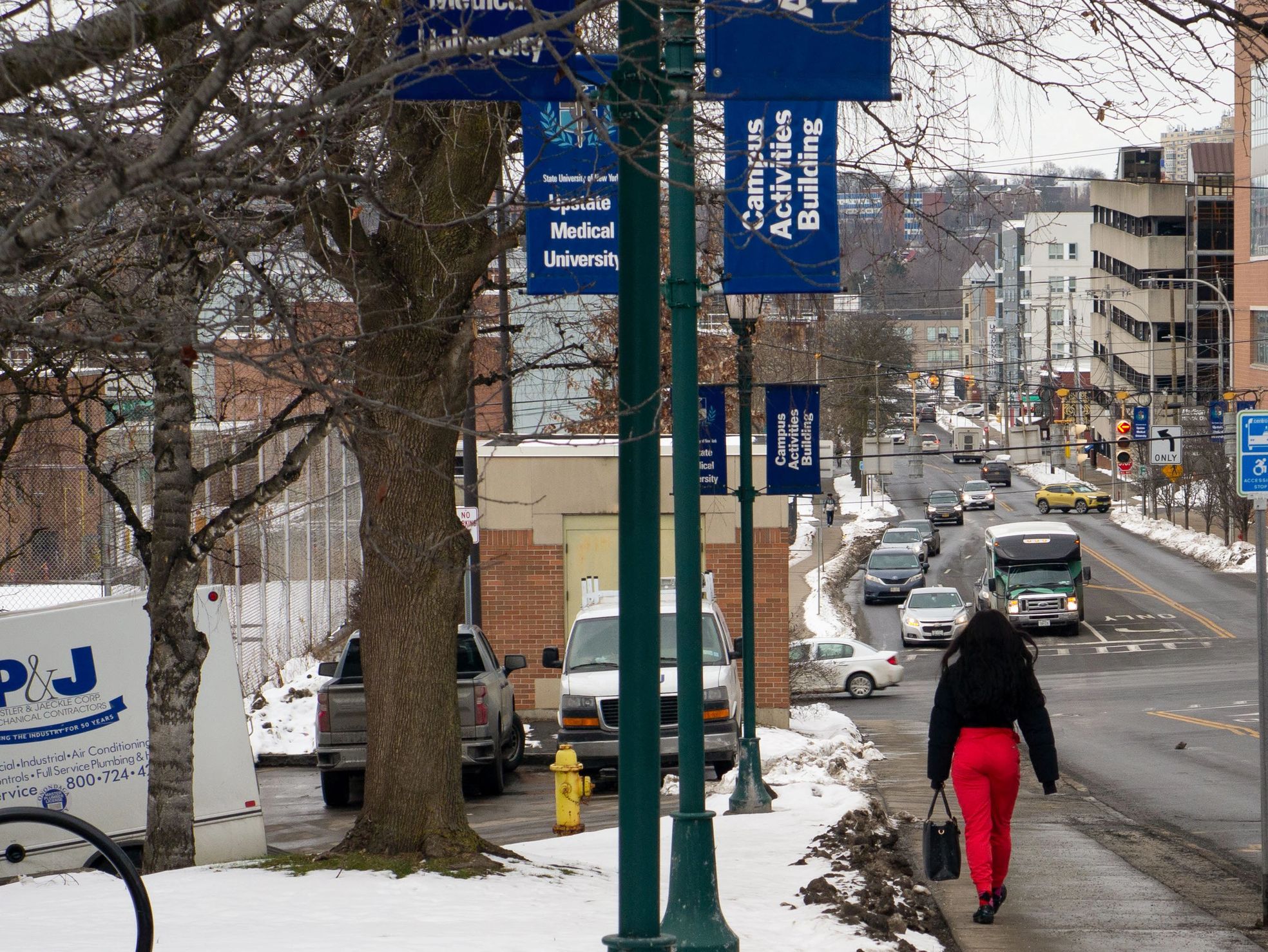
Woman in scrubs walks away from Upstate University Medical School campus

A woman wearing scrubs walks from the SUNY Upstate Medical University Campus. (Maya Aguirre/JNL221 News)

“The Power of Nurses ” is the 2025 theme for National Nurses Week, which kicks off on Tuesday morning. From May 6-12, more than 150 buildings across the country — including the Expo Center at the New York State Fairgrounds — will light up to “shed light” on the hard work of U.S. nurses.

The theme aims to recognize the "quiet revolution" nurses take daily in creating change in their profession, the American Nursing Association wrote.

Five years ago, the American Nursing Association extended National Nurses Week to a full month and chose the theme "Year of the Nurse," honoring the significant contributions and sacrifices nurses made in the COVID-19 pandemic, which had taken the U.S. by storm just two months before.

According to a 2021 study by the NIH, the the public perception of nurses during the COVID-19 pandemic improved, despite the profession being already highly trusted in past decades.

But it was in the spring of 2020 when phrases such as "health care heroes" began circulating to describe nurses. But while the pandemic improved the perceived prestige of the nursing profession, the working conditions and tragedy of the pandemic left U.S. nurses with high burnout rates, leading many to leave the field or retire early, the HRSA reported.

Despite the pandemic's positive impact on wages for nurses, which on average exceeded 20 percent across the 50 states and D.C., many more experienced nurses left the workforce, leaving newly graduated nurses to take on higher caseloads, labor data show.

Since the worst days of the pandemic, nurses are still struggling amid the nationwide nursing shortage, which is driven both by the pandemic and other factors that pre-existed it — including the aging baby boomer population, who make up a significant portion of the medical workforce today. As these professionals retire, there has been an increased need for nurses of all educational levels.

Nurses with master's degrees are increasingly in demand as medical professionals retire at high rates. The Bureau of Labor Statistics reported a 40% expected job growth for nurse practioners, anesthetists and midwifes --- as opposed to a 6% expected job growth for registered nurses who obtain a bachelor's degree.

Since COVID, this sentiment rings true for nurses throughout the country who have left the profession for various reasons. For Tasheema Davis, a former CNA at the Hopkins Center for Rehabilitation and Healthcare in Brooklyn, transitioning out of being a CNA was her plan since she began patient care in 2013. But Davis undoubtedly felt the impact of burnout, which expedited her professional journey at Hopkins to her current job in recreational therapy.

"People generally overlook staffing shortages in health care and how it is to put someone else's needs before yours every day. Not taking breaks because you have patient care to do or staying over because you have work to get done. Sometimes it's because you didn’t get to finish your work earlier because someone else called out," Davis said.

Despite the positive changes in the nursing field since COVID, the shortage of nurses has put further strain on those who remain in the field.

"Some days are hard. Families of residents will come in, and they don’t realize staff have been on their feet all day not eating because there just wasn’t enough time. But soon as one little thing isn’t right they'll say you aren't doing your job," Davis said.

And now, in 2025, the day-to-day difficulties, such as the lack of understanding Davis dealt with, have become harder to manage for some. Many hospitals currently face new pressures that did not exist during the pandemic, such as increased constraints on budgets, which make administrative work more challenging, a 2025 report found.

Over the course of Nurses Week this year, nurses throughout the country will receive discounts and small tokens of appreciation from businesses and former patients alike. But the appreciation is not always enough, Davis said.

As the many systemic issues in the field do not relate to one cause, mending it poses difficulty.

But celebrating nurses in the post-pandemic world appears to be a first step. A 2024 study showed how the public perception of the field of nursing is one of the most important factors impacting patient satisfaction. Negative public view of the nursing profession hinders nurses from meeting public health needs, the study showed.

Over the next week, nurses across the country will feel this celebration. Syracuse residents can appreciate nurses by sending letters to Upstate Hospital or allowing the light show on May 11 at the Expo Center to spark conversation about future reform.